B2B & wholesale
shipping from China.

Wholesale shipping connects factories with importers, distributors, retailers and business warehouses. From a few cartons to a container of stock, each order needs a plan that brings production, transport and delivery together.

XTC helps coordinate supplier collection, consolidation, packing and international freight from China, connecting the goods at origin with the business that will receive them.

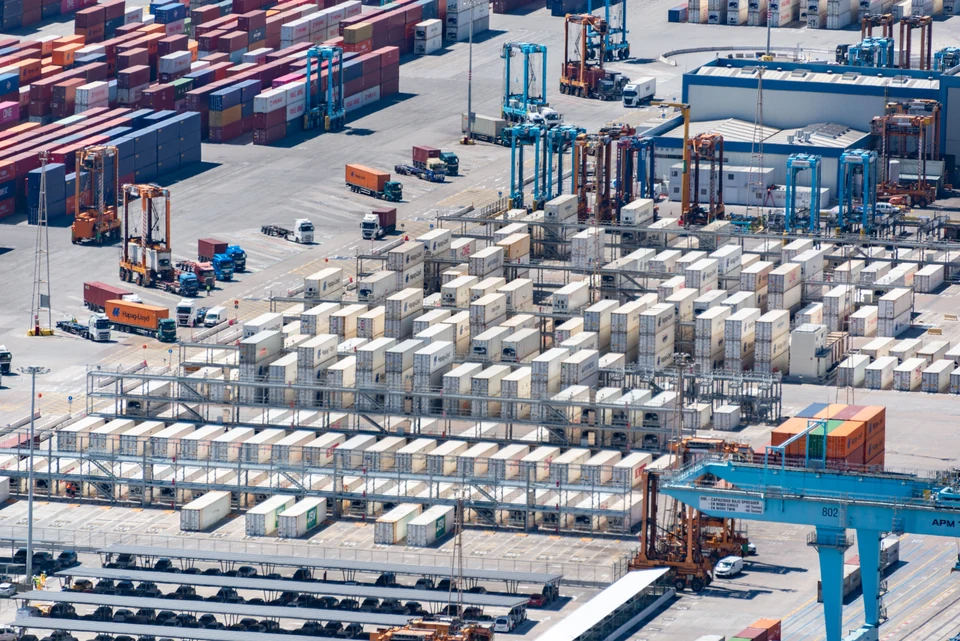
Shipping containers, freight trucks and cargo handling equipment at a container terminal

Why wholesale buyers plan
the complete shipment.

A wholesale order is part of an inventory plan. A retailer may be replenishing several stores, a distributor may be combining products from different factories, or a business may be waiting for components needed in production. The useful arrival date depends on when the stock can actually be received and put to work.

Planning the complete journey connects supplier readiness, packing, collection, international transport and destination delivery. Consolidation can bring several orders together, while separate dispatches can keep an urgent item moving. The right arrangement balances handling, time and the cost of holding inventory.

XTC helps coordinate the agreed stages from China to the business destination. A clear service scope separates origin work, freight and destination handling, so the shipment plan reflects the order and the receiver’s operation.

A wholesale shipment starts before collection and ends with business receiving. These six stages explain how supplier orders become identified, protected cargo and move through to the destination warehouse.

A person coordinating boxed orders by phone beside a packing table

Plan the order.
Prepare the cargo.

Preparation connects the commercial order with the physical goods. Products, quantities and packaging need to stay identifiable through each handover.

01 / Connect the order with supplier readiness
A purchase order identifies the agreed products and quantities. For shipments involving several factories, production completion and collection dates may differ. An origin plan groups the goods that are ready, identifies any outstanding items and sets a practical release point. This helps avoid holding a complete order indefinitely for one late supplier.
02 / Pack and identify the shipment
Export cartons, pallets or crates protect the goods through handling and transport. Carton marks and order references connect each package to the relevant stock or delivery. The final packed dimensions and gross weight include packaging and any pallets. A receiving count checks what has arrived; a detailed product quality inspection is a separate activity.
One order does not always mean one departure

If most of a wholesale order is ready but a small item is delayed, the available stock can move first where a split shipment makes sense. The extra freight and handling need to be weighed against the cost of keeping the whole order waiting.

Choose the route.
Bring the goods together.

The booking turns the inventory plan into a transport arrangement. Supplier locations and readiness help determine whether cargo moves directly or through a consolidation point.

  1. 03

    Define the service and delivery scope

    A freight quote may end at a port, an airport or the buyer’s warehouse. The booking sets out which pickup, packing, terminal handling, customs coordination and delivery services are included. Transport mode, cargo acceptance and the receiver’s deadline shape the available options. Comparing the same delivery scope makes the total cost easier to understand.

  2. 04

    Collect and consolidate the cargo

    Goods can move from the supplier to the carrier or to an agreed receiving location in China. Consolidation groups compatible orders for onward transport while retaining their product and purchase-order identities. Repacking, pallet building and temporary storage are separate tasks where arranged. The shipment is released when the planned cargo and transport booking are ready.

Move across borders.
Deliver to the business.

The international journey and final warehouse handover have different requirements. A workable plan covers both, including the time needed after the main transport leg.

05 / International movement and customs coordination

The goods travel on the booked route, with export and import procedures arranged for the product and destination. Shipment records need to describe the actual cargo consistently. The designated importer and broker carry out the applicable import formalities. Freight arrival, customs release and availability for collection are different milestones.

06 / Delivery and warehouse receiving

After release, the shipment moves to the agreed business address. Some receivers require an appointment, purchase-order references, suitable unloading equipment or a particular pallet format. At receiving, carton or pallet counts and visible condition are checked against the delivery record. A carrier’s delivery confirmation does not replace the buyer’s internal stock check.

Air, LCL or FCL
for your wholesale order.

Compare the transport options against your stock deadline, shipment size and total delivery cost.

Swipe across to compare all three options.

Three approaches to moving business stock
Planning factorAir freightOcean freight · LCLOcean freight · FCL
Typical priorityUrgent replenishment, launches and time-sensitive components.Planned stock that does not need a dedicated container.Larger wholesale orders and bulk replenishment.
How cargo travelsBooked air capacity, with ground handling at each end.Container space shared with other consignments.A container allocated to the booked shipment.
Schedule planningFlight timing, terminal handling and local delivery.Sailing time plus consolidation and destination unloading.Sailing time, container release and inland transport.
Charging basisGenerally chargeable weight, comparing actual weight with occupied space.Generally weight or volume, with minimum and handling charges.Generally a container rate plus the agreed local services.
Main trade-offSpeed can justify the freight cost for priority stock.Smaller batches can travel by sea, with more shared handling.Container utilization and inland costs affect the overall value.

There is no single shipment-size threshold that makes one option best. Route, cargo characteristics, service availability and destination charges all affect the comparison.

An order can use more than one transport mode. A priority batch may travel by air while the remaining stock follows by sea, keeping the faster service focused on the goods needed first. The split should reflect expected demand and the extra work involved in managing two arrivals.

The freight rate is only part of the budget. Collection, storage, packing, terminal handling, customs services and warehouse delivery can all affect the total. For small sample orders or a few replacement cartons, an express parcel service may also be worth comparing with freight.

Freight basics from DHL: Chargeable weight · Choosing LCL

Q&A

Common questions about wholesale orders, supplier consolidation, transport costs and business delivery.

What affects the cost of a wholesale shipment from China?

Shipment weight, packed volume, cargo type, supplier locations and destination all influence the cost. The service may also include collection, storage, packing, customs handling and local delivery. A port-to-port rate and a warehouse-delivered quote cover different work, so their headline prices are not directly comparable.

How should I plan the delivery timeline?

Work back from the date the business needs usable stock. Allow for production release, preparation, collection, international transit, customs processing, local delivery and warehouse receiving. Sailing or flight time covers only one part of the journey. A realistic buffer helps accommodate changes in supplier readiness, transport schedules or receiving availability.

Can orders from several suppliers travel together?

They can, where the goods, timing and route are compatible. Consolidation brings the orders to an agreed receiving point before onward dispatch. Each supplier’s cartons should remain traceable to the relevant purchase order. The benefit depends on collection distances, waiting time, handling and the combined shipment size.

Do I need enough goods to fill a container?

No. Wholesale shipping describes a business stock movement, not a minimum shipment size. Smaller orders may move as cartons, by air or in shared LCL space. FCL provides a container for the shipment, but whether it is the better choice depends on the complete quote and handling needs.

What is the difference between consolidation and repacking?

Consolidation groups separate consignments for onward transport. Repacking changes the physical packaging, for example by replacing weak cartons or arranging smaller boxes inside an outer carton. Consolidated orders can retain their original packaging; packing work is a separate part of the service when needed.

When does palletizing make sense?

Pallets can make grouped cartons easier to handle with warehouse equipment. They also add weight and occupy space. The choice depends on product stability, package strength, transport handling and the receiver’s unloading arrangements. A pallet must suit the cargo and destination; simply adding one does not guarantee damage-free transport.

What documents are normally involved in a business shipment?

A commercial invoice describes the transaction, a packing list describes the packages and their contents, and the carrier issues the relevant transport document. Customs declarations and any product-specific certificates or permits depend on the goods and destination. Purchase-order references also help a business match the delivery to its own records.

How do DDP and DAP differ for warehouse delivery?

Both terms can name a business warehouse as the destination. Under DDP, the seller handles import clearance and the applicable import duties and taxes; under DAP, those responsibilities sit with the buyer. The named place and agreed logistics scope still matter. Unloading and additional warehouse work should be clarified separately.

Can one order be delivered to several business addresses?

A shipment can be divided into separate deliveries where the service supports it. Packages need to be allocated to the correct location, with order references and receiving arrangements for each stop. Extra handling, local transport and appointments can affect the cost. This differs from e-commerce fulfillment, which prepares individual consumer orders from stored inventory.

What happens if goods arrive damaged or short?

The receiving record should note visible damage or a count difference, supported by photos and package references. Follow-up compares supplier, warehouse and carrier records to establish where the discrepancy occurred. Any claim follows the relevant service or insurance terms and deadlines; compensation is not automatic. A replacement shipment or stock adjustment is a separate business decision.

Your next stock shipment.
Let’s plan it.

Plan collection, consolidation and delivery for your next business order with our Shenzhen team.

  1. Share what you know.Weight and dimensions can follow later.
  2. Review the available options.We check the route, cargo details and service requirements.
  3. Confirm before you book.Agree on the quoted charges, exclusions and estimated schedule.
YOUR LOGISTICS CONTACT IN CHINAXTC Cross-border Logistics Co., Ltd.Jihua Road, Bantian Subdistrict, Longgang District, Shenzhen, China

Prefer a conversation? Chat on WhatsApp →

Tell us about your shipment.

Only fields marked * are required.

Describe the products and the delivery you need.

Add shipment details Optional

Your details are sent securely to XTC to respond to your enquiry. We keep a private copy for up to 30 days to help recover delivery problems.

We use Google Analytics to measure page visits and enquiry actions. Your name, email and shipment details are not included in these analytics events.