
Food ingredients
Flour, starch, spices and other food powders need protection from moisture, contamination and damaged seals. Food-import requirements and shelf life remain relevant even when the material is not dangerous goods.
Powders can share the same appearance while differing in composition, use and transport requirements. From sealed retail packs to industrial materials, the shipment needs clear product identification and packaging that controls leakage, moisture and contamination. XTC helps coordinate eligible powder shipments from China through an accepted route.

Flour, starch, spices and other food powders need protection from moisture, contamination and damaged seals. Food-import requirements and shelf life remain relevant even when the material is not dangerous goods.

Protein blends and other nutritional formulations may contain several ingredients. Product identity, destination rules and the intended use matter; a supplement label does not automatically establish import eligibility.

Loose or pressed cosmetic powders may travel in small retail containers. Seals, internal movement and outer protection help preserve the product and its packaging through repeated handling.

Colour pigments and mineral materials can look alike while having different compositions. Material identity and properties determine the review, and fine particles need effective containment.
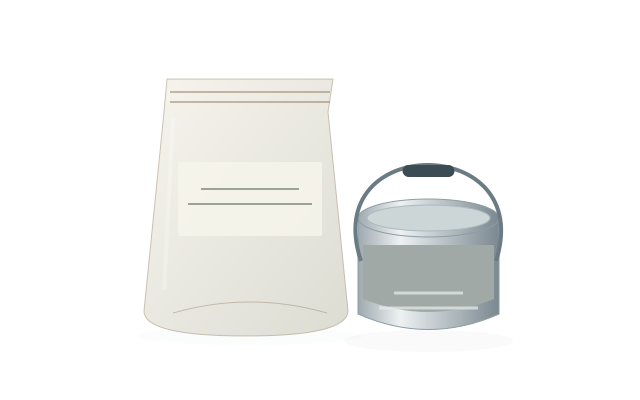
Industrial powders can range from non-dangerous materials to products with specific hazards. Fine metal particles or reactive chemicals need an assessment of their actual properties rather than a decision based on appearance.

A sample may contain the same material as a full stock order. Smaller quantities change the logistics arrangement, but do not remove the need to identify the product and determine its transport classification.

Effective packaging addresses both the material and the handling unit. A sealed inner pack, suitable outer protection and clear identification each have a role.
Colour does not identify composition or hazards. The shipment description should connect the actual material to its commercial records, product information and applicable transport assessment.
The material, its records and the packed handling units stay connected throughout the journey.
Composition, intended use and relevant properties establish what is being shipped.
Inner containment and outer handling units are arranged to suit the material and service.
Classification, carrier acceptance and any required documents are checked for the selected route.
The shipment passes through border processes and destination handling before reaching the recipient.
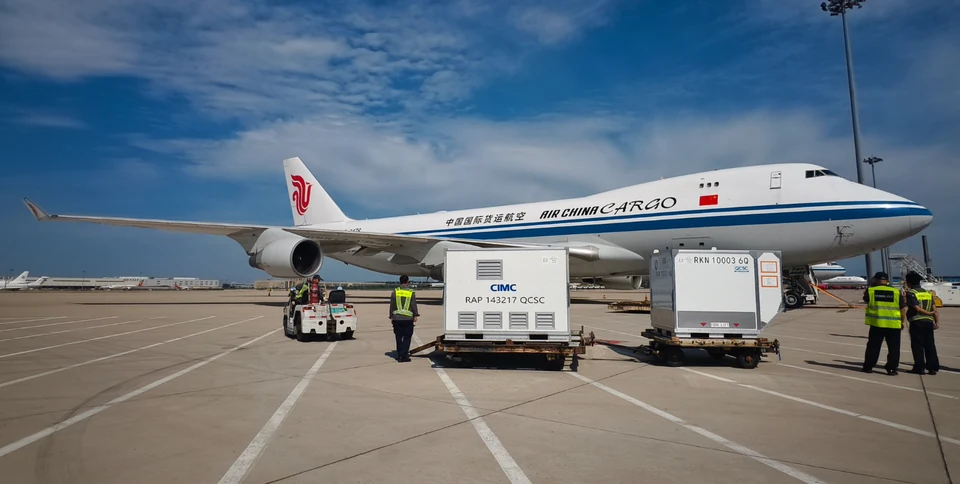
Express, air and sea transport serve different quantities and schedules. Each option still requires product acceptance.
Can suit eligible samples and smaller packed orders. The material must be accurately described and accepted; “sample” is not an exemption from classification.
Can suit eligible replenishment where timing is important. The airline, packing configuration and any dangerous-goods provisions determine availability.
Can suit planned larger shipments. Strong handling units and protection against the expected moisture and storage environment matter over the longer journey.
The material, package design and agreed service all contribute to the cost of the completed shipment.
Product identity, secure containment and the destination’s requirements matter for both samples and commercial stock. Appearance alone cannot answer these questions.
A commercial name may not fully describe the contents.
Descriptions such as white powder, raw material or sample are too broad to establish transport treatment.
Powder is a physical form rather than a single dangerous-goods class.
Some powders are non-dangerous; others may present flammability, toxicity or other hazards. Neither conclusion follows from appearance alone.
The package needs to retain the product throughout its journey.
A sealed bag is one layer of protection. The complete package must suit the weight, product and expected handling.
Shipping records and product information describe the same consignment.
An SDS is not carrier approval. A laboratory report also needs a scope that matches the actual material being shipped.
Import requirements depend on what the powder is used for.
Non-dangerous transport status does not establish permission to import, sell or use the material.
The material must remain contained and correctly identified.
If a package leaks or its contents cannot be verified, the shipment may need assessment, repacking or a different accepted arrangement.
Official guidance: IATA: dangerous goods by air · OSHA: safety data sheets · IMO: IMDG Code
Answers about material identity, samples, documents, protective packaging and transport options.
Eligible powders can be shipped when their identity, classification, packaging and destination meet the requirements of an accepting service. The exact material determines the review.
Food ingredients, cosmetic powders and industrial chemicals can need different arrangements even when their appearance is similar.
No. Powder describes physical form. Dangerous-goods status depends on the properties of the actual material and the applicable transport criteria.
Some fine or reactive materials can present specific hazards, while others are non-dangerous. Colour or retail packaging cannot establish the classification.
The material’s identity connects it to its properties, intended use, safety information and destination product rules. A general description such as “white powder” does not provide that connection.
Different formulations should remain separately identifiable in the product and shipping records.
It may be accepted if the material and packaging meet the chosen service’s requirements. Small size does not make an unknown or restricted substance eligible.
A sample can contain exactly the same material as a commercial order, so product identification and classification still apply.
Commercial invoices and packing lists identify the product and quantity. Depending on the material and route, specifications, an SDS, a transport assessment or dangerous-goods documentation may also be relevant.
Food, supplements, cosmetics and industrial products may need additional destination records. The document set follows the actual product and market.
No. An SDS provides hazard and handling information. Its transport information may need clarification or confirmation for the actual material and shipping mode.
Carrier acceptance, package suitability and any required declaration remain separate parts of the shipment review.
Suitable sealed inner containment retains the powder, while protective outer packaging reduces puncture, abrasion and crushing. Moisture protection depends on the material’s sensitivity.
The complete arrangement must suit the selected service. Dangerous goods follow their applicable packing requirements.
They may be subject to additional destination food or supplement requirements, even when classified as non-dangerous for transport. Ingredients, intended use and market rules matter.
Transport acceptance and permission to import or sell the product should be checked separately.
Sometimes. Each product must be identified and accepted, with compatibility, containment and any segregation requirements addressed.
Consolidation combines the logistics plan; it does not make different materials interchangeable or allow them to be mixed in one container.
The first question is which service accepts the material. For eligible goods, express may suit smaller orders, air may suit time-sensitive replenishment and sea may suit planned larger volumes.
Compare the complete packed weight, dimensions, preparation work and destination scope. The lowest freight rate may not represent the lowest total cost.
LET'S PLAN YOUR SHIPMENT
Share the material name, composition, intended use, quantity and destination. Let us know which product or safety documents are available. Our Shenzhen team will review the details and reply with the next steps.
Prefer a conversation? Chat on WhatsApp →