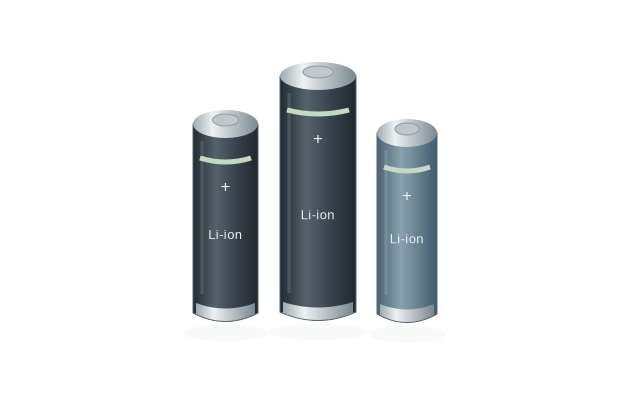
Lithium-ion cells
Rechargeable cells are supplied in cylindrical, pouch and other formats. Loose cells need protection against movement, damage and contact between exposed terminals; their shape alone does not determine the transport category.
From individual cells and LiPo packs to power banks and replacement batteries, the battery itself can be the cargo. Chemistry, energy rating and packing arrangement shape its transport requirements. XTC helps coordinate eligible battery shipments from China, from preparation through to destination delivery.
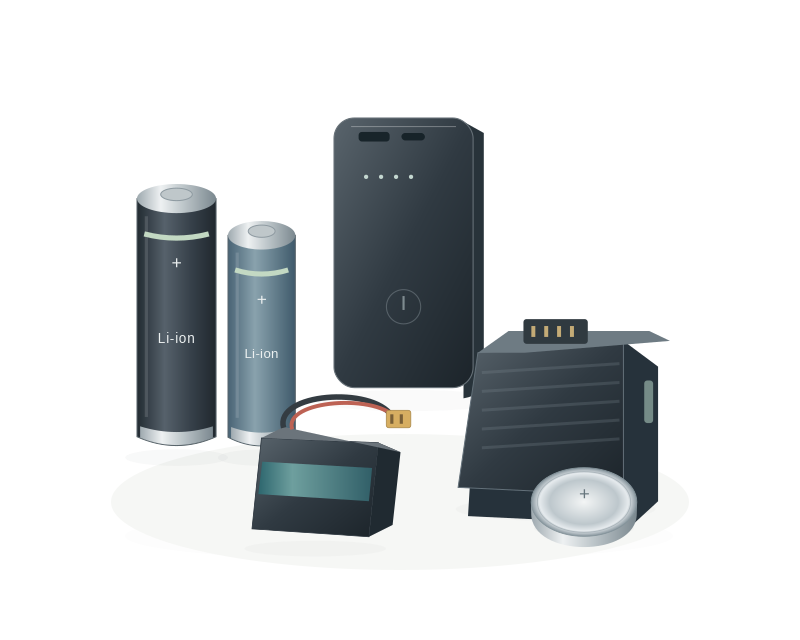
Rechargeable cells are supplied in cylindrical, pouch and other formats. Loose cells need protection against movement, damage and contact between exposed terminals; their shape alone does not determine the transport category.
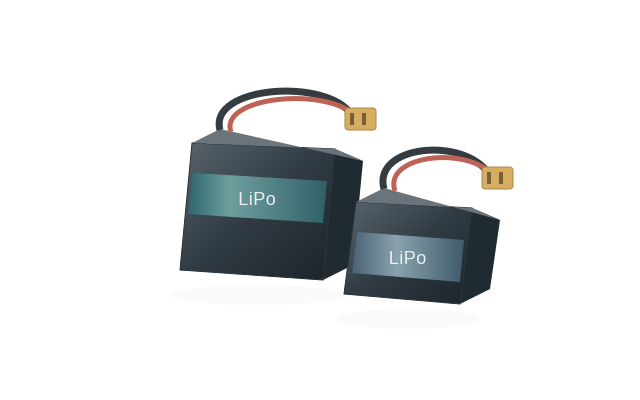
Lithium-polymer packs are part of the lithium-ion family and are widely used in FPV and RC equipment. Leads, connectors and flexible pack surfaces need protection during packing and handling.
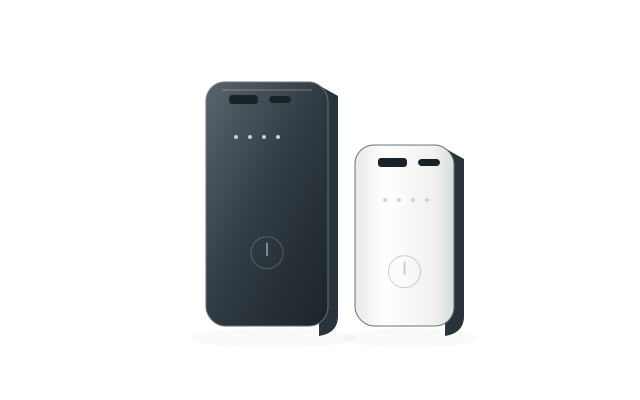
A power bank is treated as a battery for transport, even though it has a protective casing and charging ports. The internal battery specification and condition determine the shipment review.
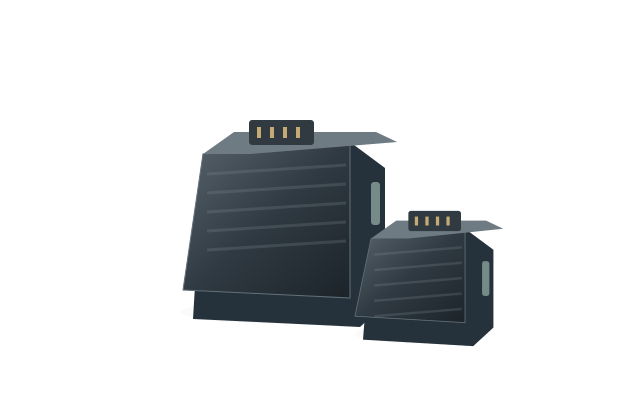
Packs for tools, cameras and other devices may contain several connected cells. A replacement pack shipped on its own is assessed differently from a battery installed in, or packed with, the equipment it powers.
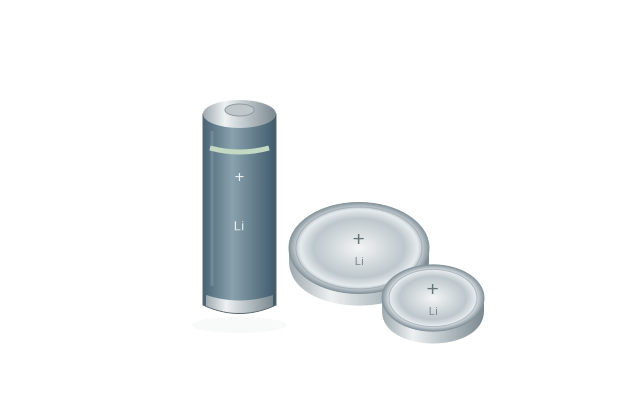
Lithium-metal cells are generally non-rechargeable and use a different classification from lithium-ion products. Chemistry and lithium content matter; similar-looking cylindrical cells are not necessarily equivalent.
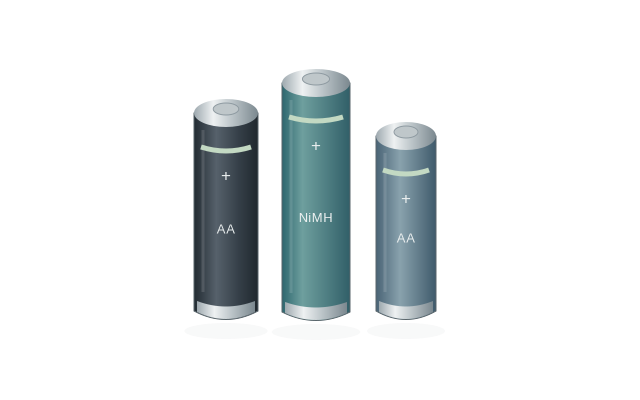
Alkaline and nickel-metal hydride batteries follow requirements suited to their chemistry and transport mode. They still need secure packing and short-circuit protection; lithium rules should not simply be applied to every battery.
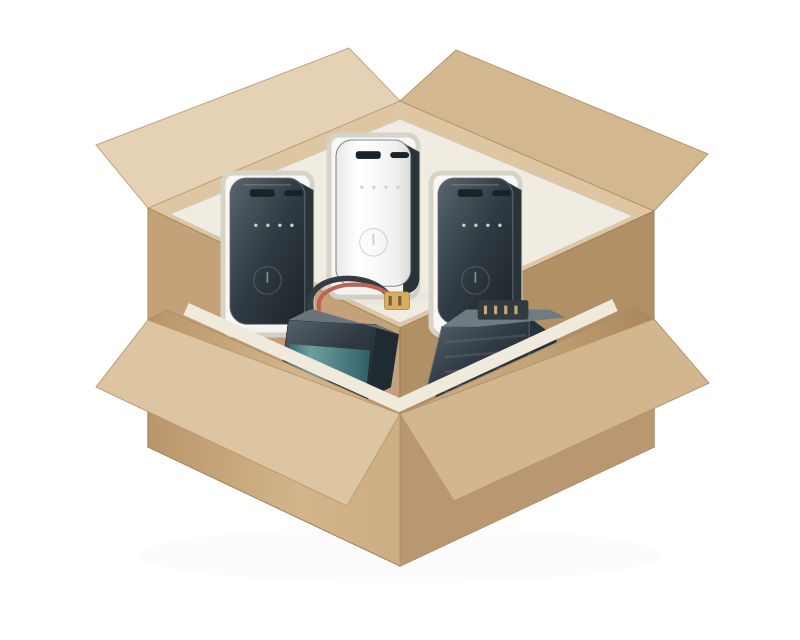
Battery preparation brings the product, its packaging and its records into one consistent shipping arrangement. A retail package is only part of that arrangement.
Watt-hours express energy: Wh = nominal voltage × capacity in Ah. For example, 11.1 V × 5 Ah = 55.5 Wh. The manufacturer’s specification is the reference; this calculation alone does not establish transport acceptance.
The preparation starts with the actual battery and ends with an accepted transport arrangement.
Chemistry, model, energy rating, condition and shipment configuration establish what is moving.
Cells and packs are protected, grouped and documented for the applicable transport requirements.
The carrier reviews the product, route and prepared shipment before it enters the network.
Origin handling, international movement, clearance and local delivery connect the supplier to the recipient.
Timing and shipment size matter, but battery acceptance comes first. An ordinary parcel service is not automatically suitable.
Can suit eligible time-sensitive shipments. Standalone lithium-ion batteries under UN 3480 are not permitted as cargo on passenger aircraft; cargo-aircraft rules, charge limits and carrier acceptance apply.
Can suit planned larger stock movements. Dangerous-goods booking, packing, handling and documentation follow the applicable sea-transport requirements.
Availability depends on the chemistry, configuration, destination and approved service arrangement. A small carton or low watt-hour rating alone does not guarantee acceptance.
The finished shipment and accepted service determine the price, including work before departure and after arrival.
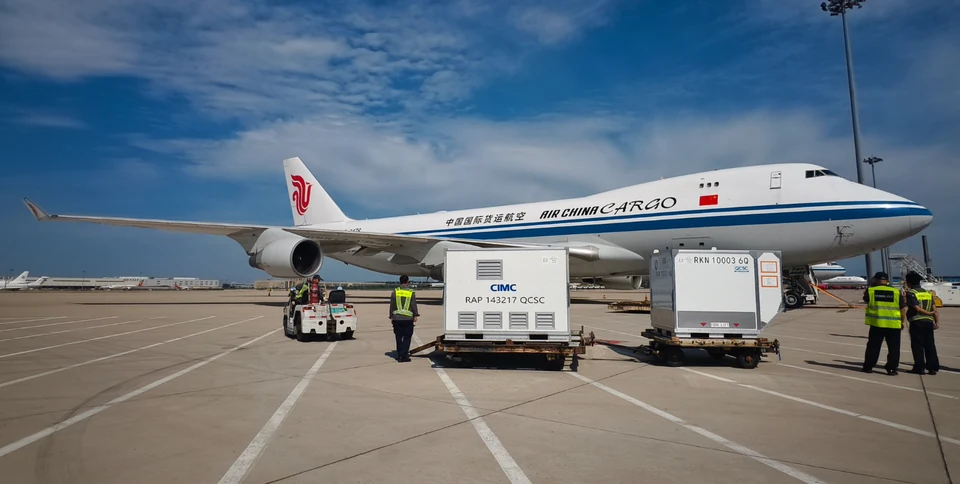
Classification, condition and transport mode determine the applicable requirements. A complete review links the battery itself to the way it will be packed and carried.
Battery chemistry and shipment configuration are separate parts of the review.
LiPo is within the lithium-ion family. A power bank is classified as a battery, not as equipment simply because it has charging ports.
Capacity is only one of the factors that influence transport.
A battery above 100 Wh is not automatically banned from international transport; different provisions and service restrictions may apply.
Testing evidence and transport documentation have different purposes.
An SDS/MSDS is not a UN 38.3 test summary. IATA does not impose a universal SDS requirement for batteries as manufactured articles, although providers may request supporting information.
The complete package needs to protect the product and satisfy its transport requirements.
Different rules can apply to batteries shipped alone and batteries packed with equipment. A retail box should not be assumed to satisfy either arrangement.
A compliant product still needs an available, accepting service.
Sea freight is subject to its own dangerous-goods requirements; changing modes does not remove the need to classify and prepare the shipment.
Changes in condition or incomplete records can alter the shipping plan.
Damaged or safety-defective lithium batteries cannot be handled as ordinary new stock. The appropriate specialist assessment comes before any return booking.
Official guidance: IATA: battery transport guidance · IMO: IMDG Code
Answers about standalone batteries, packing arrangements, test information, transport choices and freight costs.
Eligible batteries can be shipped when the chemistry, condition, packaging and route meet the applicable requirements. The review is based on the actual model and consignment, not just the description “battery”.
The available service may differ for loose cells, assembled packs, power banks and batteries supplied with equipment.
UN 3480 identifies lithium-ion batteries shipped on their own; UN 3481 covers lithium-ion batteries packed with or contained in equipment. UN 3090 and UN 3091 are the corresponding entries for lithium-metal batteries.
The correct entry follows the actual goods and packing configuration. These numbers do not establish acceptance by every carrier.
Yes. Lithium-polymer, commonly called LiPo, belongs to the lithium-ion family for transport. The pack’s rating, quantity, condition and shipment configuration still matter.
Flexible pouches, leads and connectors also need suitable physical protection during handling.
They may be accepted on eligible cargo-aircraft services under the applicable requirements. Standalone lithium-ion and lithium-metal batteries are not permitted as cargo on passenger aircraft.
Applicable charge limits, packing instructions, quantity limits, documentation and operator restrictions must be addressed before booking.
No. A UN 38.3 test summary identifies the required design-type testing information for the battery. An SDS describes hazards and handling information and does not replace the test summary.
The summary must be available as required; a paper copy is not universally required with every consignment. A service provider may request it during acceptance.
A power bank is treated as a battery for transport. A protective housing, display or USB socket does not turn it into equipment containing a battery.
Its actual battery specification and packing arrangement must be used when selecting the shipping service.
No. Watt-hour thresholds determine which transport provisions may apply; they are not a universal international shipping ban. Acceptance also depends on the configuration, transport mode, destination and carrier.
Passenger baggage limits should not be used as a substitute for the rules governing a commercial cargo shipment.
The package needs to prevent short circuits, accidental contact and damaging movement. Cells or packs require suitable separation, restraint and outer protection.
The required packaging, marks and labels follow the actual classification and service. Retail presentation alone does not demonstrate transport suitability.
Not automatically. Used or returned products need a condition review, while damaged, defective or recalled batteries may be subject to prohibitions or specialised provisions.
An existing new-stock booking should not be reused without checking the changed product condition and the carrier’s requirements.
Battery type and configuration, packed weight and dimensions, preparation work, route and destination all contribute. Product acceptance may reduce the range of services available.
Compare quotations with the same scope, including collection, handling, clearance and final delivery, and check whether duties or taxes are included.
LET'S PLAN YOUR SHIPMENT
Send the battery model, chemistry, rating, quantity and destination. Tell us which documents are available, and our Shenzhen team will review the next steps with you.
Prefer a conversation? Chat on WhatsApp →