Everyday packaged goods
Clothing, stationery and many household accessories are familiar examples. Materials and components still matter when assessing the actual shipment.
General cargo covers a wide range of packaged goods, from samples and replacement parts to everyday stock. Understanding the product, package and delivery method makes the shipping process easier to follow.

In everyday freight discussions, general cargo often means identifiable goods moved in cartons, crates or other packages. The actual contents still determine whether special handling is needed.
Clothing, stationery and many household accessories are familiar examples. Materials and components still matter when assessing the actual shipment.
A sample is a product sent for evaluation, testing or demonstration. Its small size or sample status does not change what the product contains.
Parts may move as one urgent parcel or as regular maintenance stock. Shape, weight and fragility influence their packing and transport.
A shipment can include several product lines. Clear separation between packages helps connect the goods to the packing and delivery records.
A product can be non-dangerous yet need careful protection or unusual handling. Fragility and transport classification describe different concerns.
Batteries, liquids, powders or other special components can change the shipping review. A general retail category does not establish the transport classification.
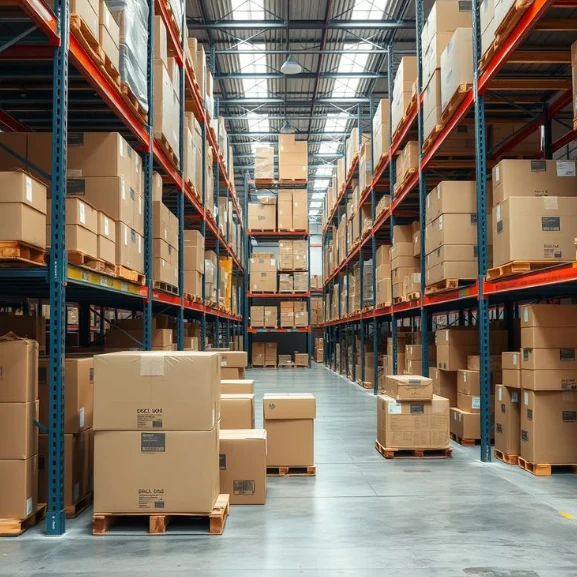
Packaging serves more than one purpose. The box used to sell a product may not be the box best suited to moving it internationally.
A carton of metal parts and a carton of cushions can occupy the same space while weighing very different amounts. Freight pricing takes the relevant weight-and-volume rules of the service into account.
Most shipments pass through the same broad stages, even though the vehicles and handling points differ.
Goods move from the supplier to the receiving location or carrier.
Packages are measured, identified and organized for the selected transport.
The shipment moves through the agreed route and border processes.
Local handling connects the arrival point to the final recipient.
These options balance shipment size, transport speed and the work needed at either end.
An integrated parcel service often suits smaller shipments and individual cartons. Coverage and package limits vary by service.
Airport-based transport is often considered for larger consignments with less lead time. Collection and final delivery may be separate parts of the arrangement.
A common option for larger, planned movements. Consolidation and port handling are part of the complete journey.
Like-for-like comparisons use the same package measurements and delivery scope.
The terms behind a simple parcel or a larger stock shipment.
No. Product contents, intended use and destination can affect transport and import requirements. General cargo is a broad logistics description, not an exemption.
Product or net weight refers to the goods. Gross weight includes the packaging and any handling materials included in the measured shipment.
Repacking changes the dimensions and sometimes the gross weight. It also adds preparation work, so the total effect depends on the finished package and service.
B2B & wholesale covers business stock deliveries. E-commerce explains individual order fulfillment, and Amazon Fulfillment covers FBA preparation and inbound shipping.
LET'S PLAN YOUR SHIPMENT
Share the product name or link, materials, quantity, pickup location and destination. Our Shenzhen team will review the goods and the collection, packing or delivery support you need.
Prefer a conversation? Chat on WhatsApp →