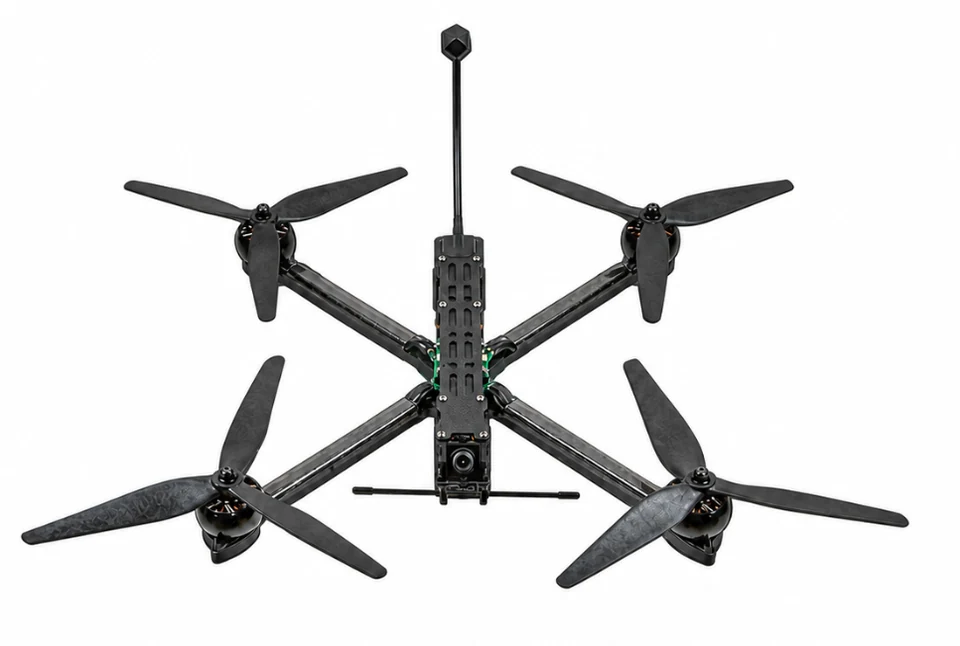
Complete aircraft
A ready-built drone combines a frame, propulsion and control electronics. Its shape and delicate external parts affect protective packaging.
With the rapid development of technology, drone technology is no longer limited to civilian use but has gradually expanded into agricultural, search and rescue, special operations, and military fields. However, drones are classified as controlled products in China, which poses significant obstacles in logistics and transportation. We can help you transport the drone products you purchase in China safely and quickly.
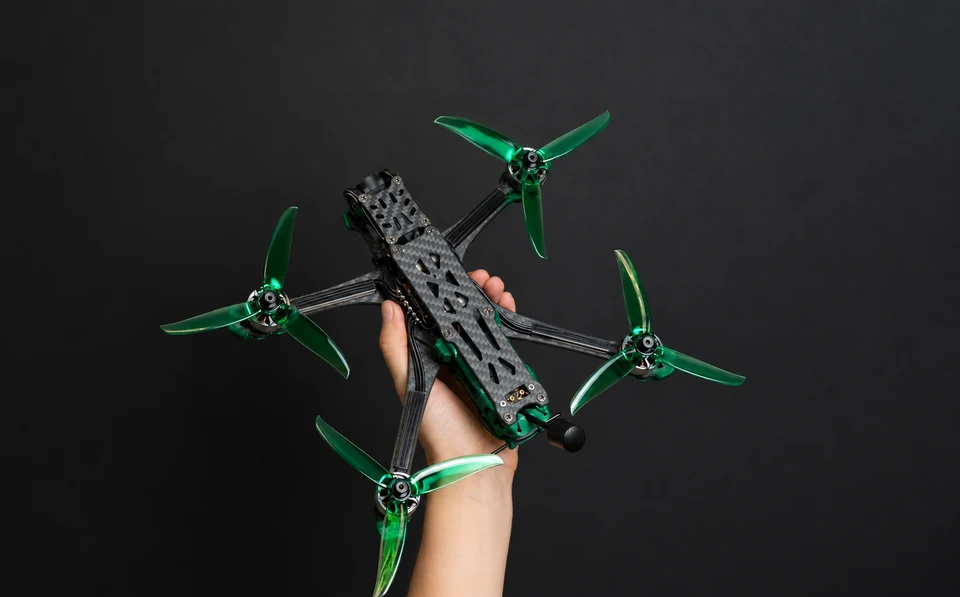
A ready-built drone combines a frame, propulsion and control electronics. Its shape and delicate external parts affect protective packaging.
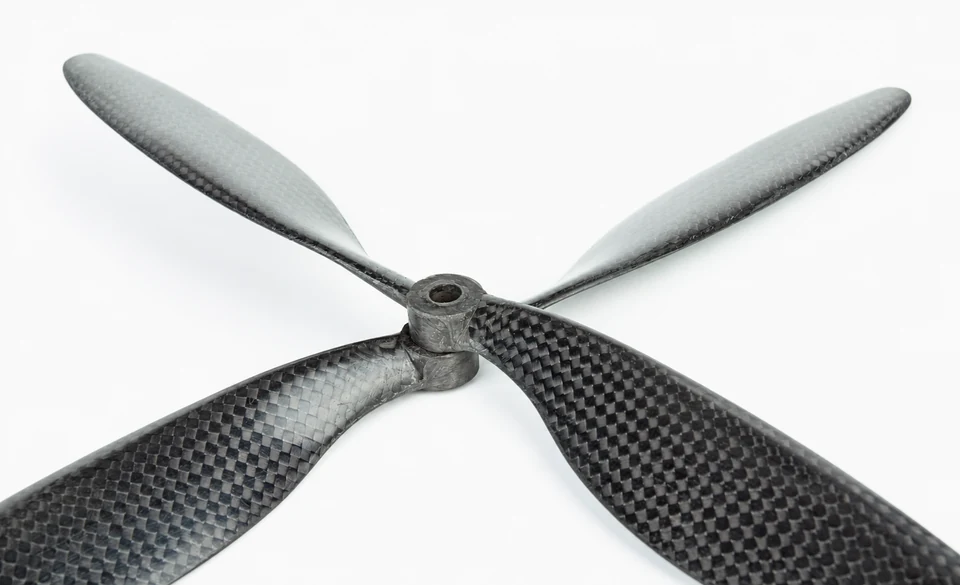
Frames, arms and propellers are structural or moving parts. They can occupy more space than their weight suggests and need protection against bending or crushing.
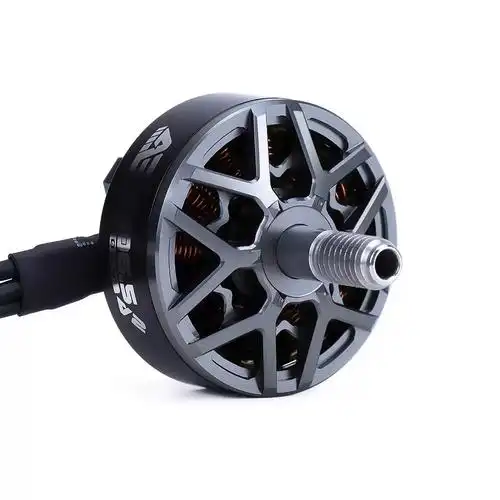
Motors and electronic speed controllers are separate product types within a propulsion system. A box of components is different from a complete aircraft kit.
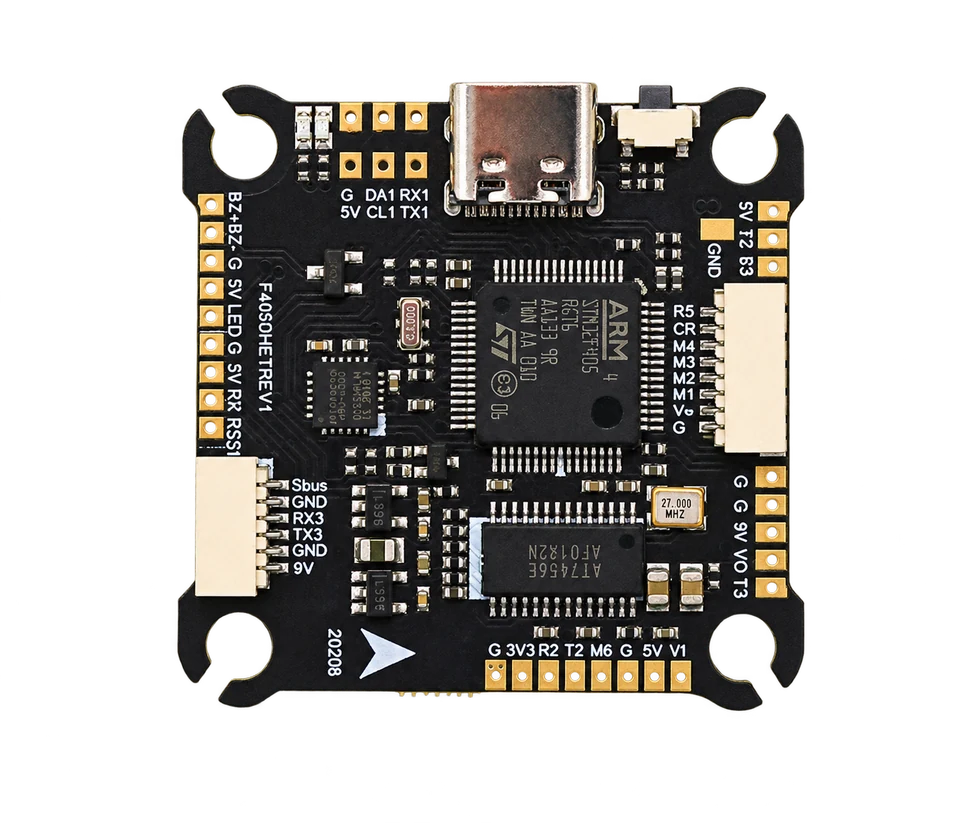
Flight controllers, cameras and video equipment may be supplied as small, high-value items. Individual identification and physical protection remain important.
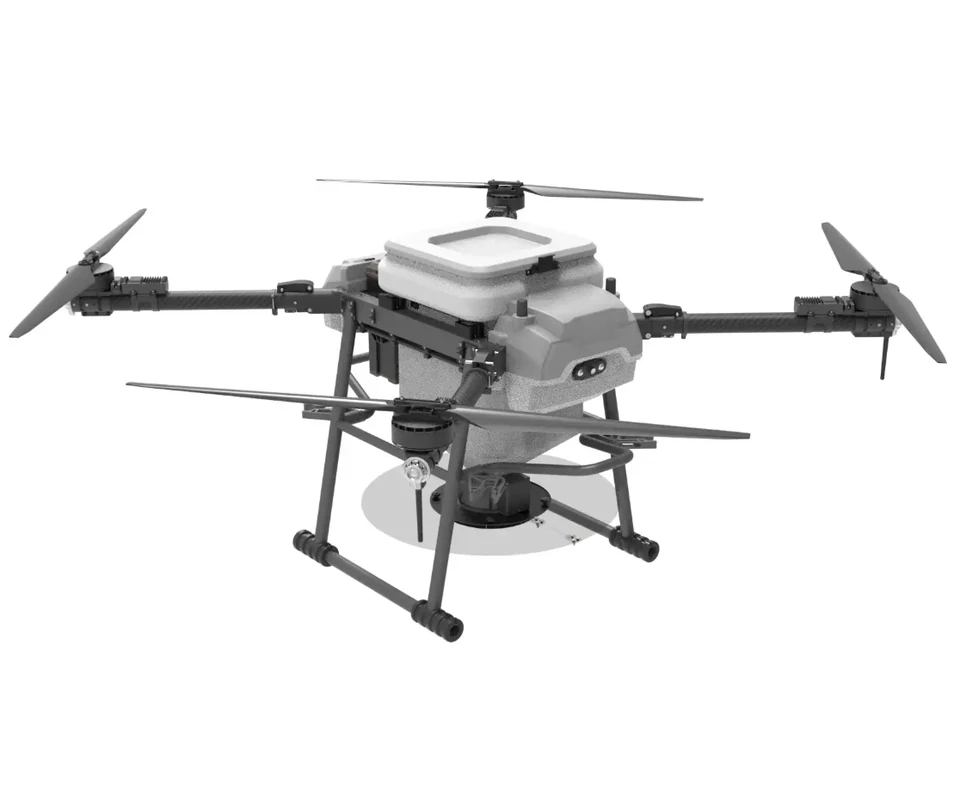
Agricultural drones are bulky and require disassembly before shipping. The main body and detachable parts are packed separately to reduce volume and protect the equipment.
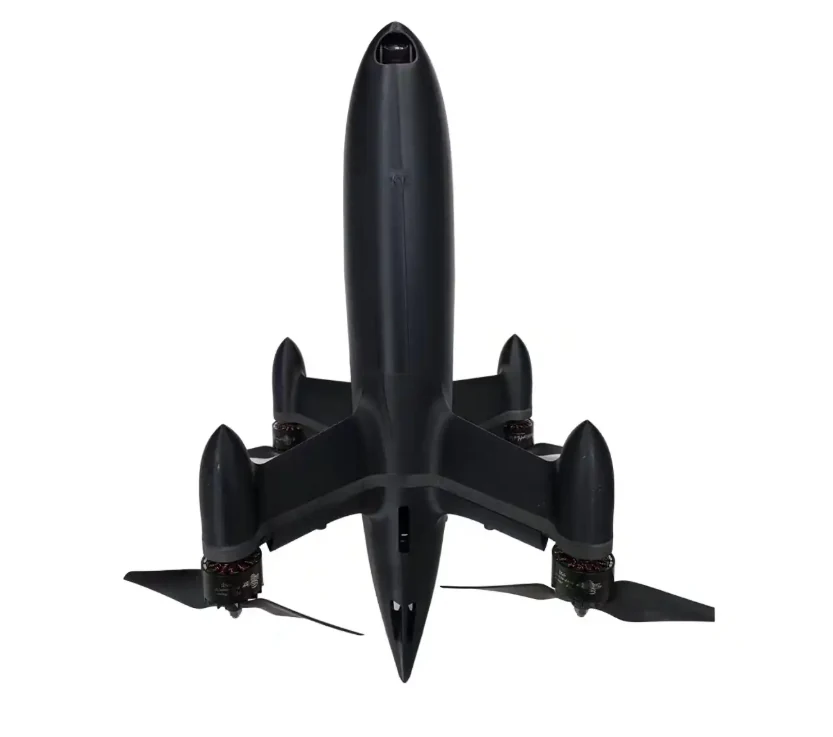
Chargers, cables, goggles and spare parts can accompany the aircraft. Consolidation brings them into one shipment plan without making their contents identical.
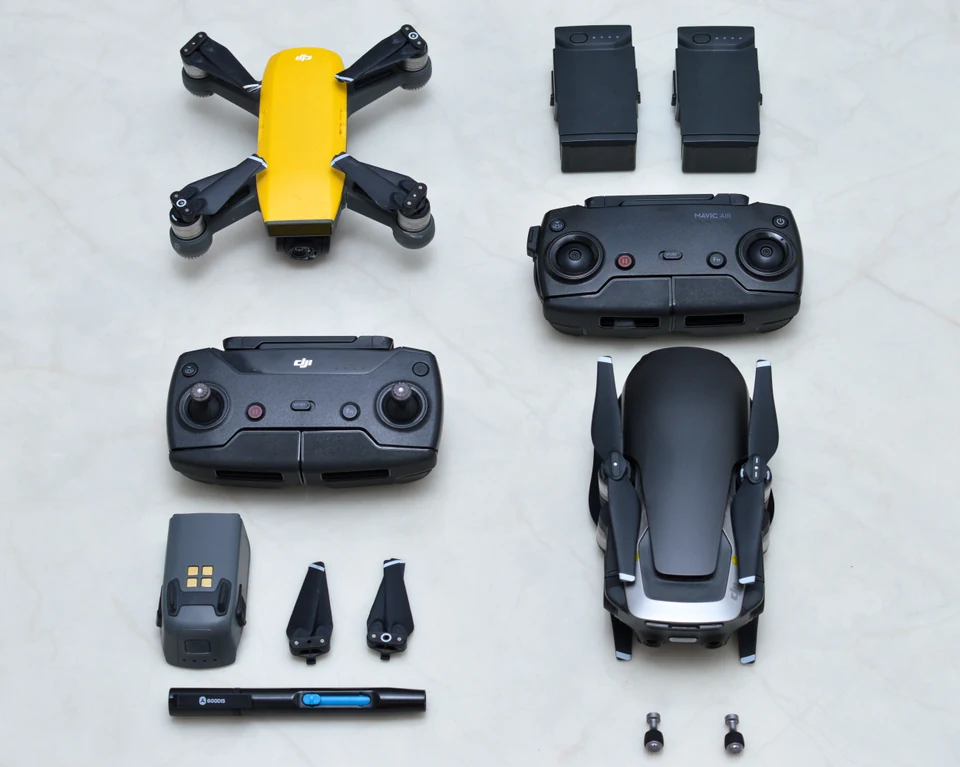
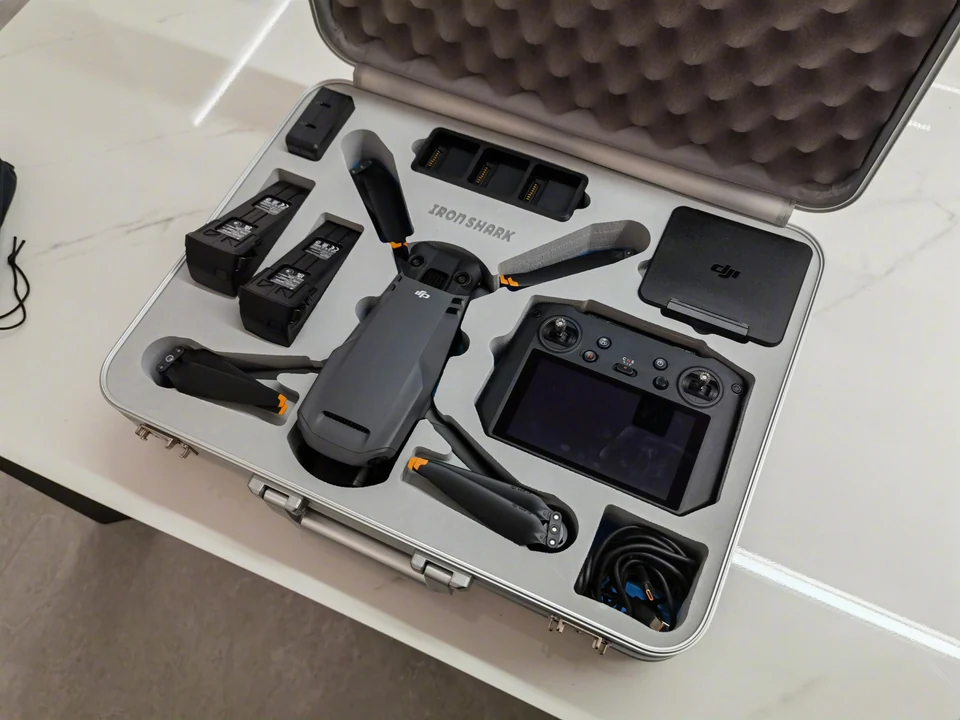
Camera drones for photography and video are commonly sold as complete retail sets. The aircraft, controller, battery and selected accessories travel together, although the contents vary by model and bundle.
The retail box keeps the product set together for sale. An outer carton and suitable cushioning add protection for the journey from the supplier to the retailer or customer.
Product organization, protective preparation and transport each solve a different part of the journey.
Aircraft, parts and accessories are matched to the product lines in the order.
Fragile parts are protected and the battery arrangement is prepared for its accepted service.
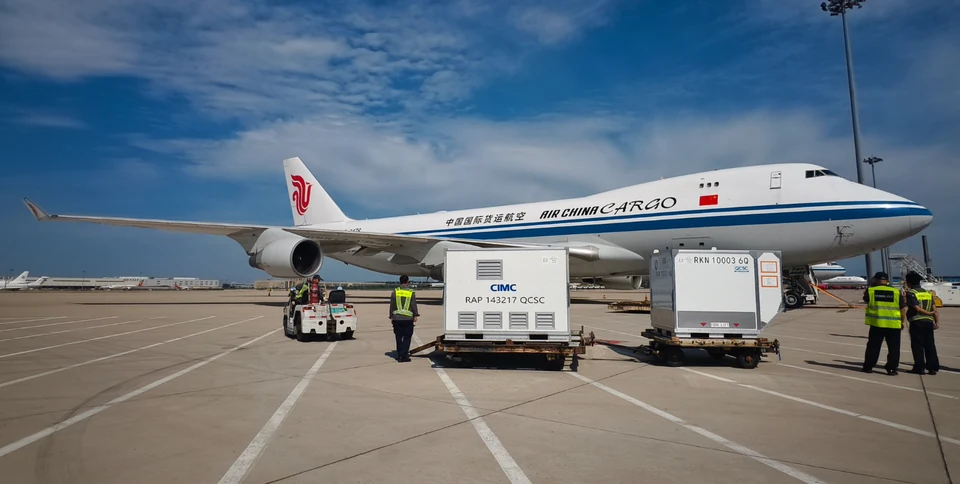
The goods move through the selected route, handling points and clearance processes.
Final delivery connects the arriving shipment to the business or individual recipient.
Size, timing and the accepted battery arrangement influence the available transport options.
Often considered for eligible parts, smaller kits or urgent replacements. Product and battery acceptance are part of the service decision.
Can suit larger time-sensitive stock movements. Handling, arrival processes and local delivery add to the flight time.
Often considered for planned larger orders. The complete transit and handling environment matters for protective packing.
Two orders with the same product value can have very different transport dimensions and handling needs.
Export approval, destination requirements and battery transport rules cover different parts of the journey. Understanding how they fit together helps avoid problems before the shipment leaves China.
The exact aircraft and its components must be checked against the control list and notices effective on the export date. The review considers:
A single headline specification does not decide the result. Where an export licence is required, the exporter applies with supporting documents; an End-User Statement alone is not export approval.
The buyer, exporter and destination importer each have a role. The buyer helps establish:
Permission to import or sell a drone is separate from registration or permission to fly it.
The document set depends on the product, route and destination. It commonly includes:
Product models, quantities, values and parties should agree across the records.
Lithium-ion batteries are Class 9 dangerous goods. The transport requirements depend on the actual battery and packing arrangement:
100 Wh is a transport threshold, not a worldwide import ban. An SDS/MSDS may be requested by a service provider, but it does not replace the UN 38.3 test summary.
Delays can arise when the documents, product or booked service do not match:
Early review can reduce avoidable delays, but it cannot guarantee customs release.
The outcome depends on the issue and the authority involved. Possible consequences include:
Resolving the issue may require corrected records, approval or a different shipping arrangement before the goods can move.
Official guidance: China: export controls · Battery transport guidance · EU: product conformity
Answers to common questions about shipping drones from China, including approvals, batteries, documents and delivery costs.
Yes, eligible drones and parts can be exported when the shipment meets the applicable export, import and transport requirements. The exact model, technical specifications, destination and intended use determine the review.
Controlled items need the appropriate export authorisation. A consumer or retail label does not by itself establish that a product is unrestricted.
China’s export approval and the destination’s import requirements are separate. The Chinese exporter handles any required export application, supported by accurate information about the final user and intended use.
An import permit or product approval may also be needed at destination. Drone registration and operating permissions concern its use after arrival and do not replace import clearance.
Possible causes include unclear product descriptions, missing end-use records, unresolved export approval, destination restrictions or battery documents and packaging that do not match the goods.
Customs may request clarification or inspect the shipment. A delay does not automatically mean seizure; the outcome depends on the issue and the applicable rules.
It may be accepted when the battery configuration meets the applicable dangerous-goods requirements and the airline accepts the shipment. Installed batteries, batteries packed with equipment and separately shipped batteries are assessed differently.
Relevant checks include UN 38.3 testing, watt-hour rating, quantity, condition, packaging, labels and any state-of-charge limit. Spare batteries must be included in the assessment.
The starting point is a commercial invoice and packing list. Depending on the shipment, supporting records can include the purchase contract, technical specifications, export authorisation, end-user/end-use certification and destination conformity documents.
For batteries, the applicable UN 38.3 test summary must be available. An SDS/MSDS may be requested by the service provider; it is not a substitute for testing or a universal IATA document requirement.
Restrictions depend on the model and market. In the United States, FCC rules on foreign-produced UAS affect new equipment authorisations. Previously authorised models and applicable exemptions need separate checks, alongside other import requirements.
In the EU, applicable product conformity, radio-equipment and drone requirements must be met. CE marking, conformity documents and class identification requirements depend on the product and its intended category. Check the specific model before dispatch.
The quote depends on the transport method, packed weight and dimensions, battery arrangement, destination and service scope. Protective cases, oversized parts and additional handling can change the chargeable size and cost.
Air freight can suit urgent stock, while sea freight may suit planned larger shipments. Compare the full service scope, including preparation, clearance and final delivery, rather than the freight charge alone.
Import duty, VAT, GST or other charges may apply. The amount depends on the destination’s rules, tariff classification, origin, customs value and any applicable relief or additional measures.
Confirm the treatment with the destination importer or customs broker. A shipping price does not automatically include duties, taxes or clearance charges; the quotation should state what is covered.
Express delivery may be available for eligible shipments, but acceptance must be confirmed with the chosen carrier for the exact product, battery arrangement, route and shipper account. Do not assume every service accepts the same items.
Larger, unusual or controlled shipments may require a different freight arrangement. Carrier acceptance does not replace export approval or destination import requirements.
An End-User Statement, or end-user and end-use certificate, identifies who will ultimately use the product and how and where it will be used. It supports the exporter’s licensing and end-use review when required.
The final user normally issues the required certification, which may differ from the buyer’s details if a reseller is involved. Information must be accurate and consistent; the statement does not replace an export licence.
LET'S PLAN YOUR SHIPMENT
Send the product model or link, quantity, destination and battery details. Our Shenzhen team will review the shipment and reply with the next steps.
Prefer a conversation? Chat on WhatsApp →