Q&A
Answers to common questions about inventory, order preparation, delivery and e-commerce fulfillment from China.
How is e-commerce fulfillment different from shipping?
Shipping is the movement of a prepared parcel through a delivery network. Fulfillment also covers the work before dispatch: receiving stock, organizing inventory, selecting the items for each order and packing them. A fulfillment service brings these warehouse tasks together with the agreed shipping arrangement.
Is fulfillment from China the same as dropshipping?
They can share some steps, but they describe different arrangements. Inventory-based fulfillment uses stock received before customer orders arrive. In dropshipping, a supplier or another party dispatches the goods without the seller holding them directly. Stock ownership, product availability and preparation responsibilities determine how the actual process works.
Can orders from different online stores use the same inventory?
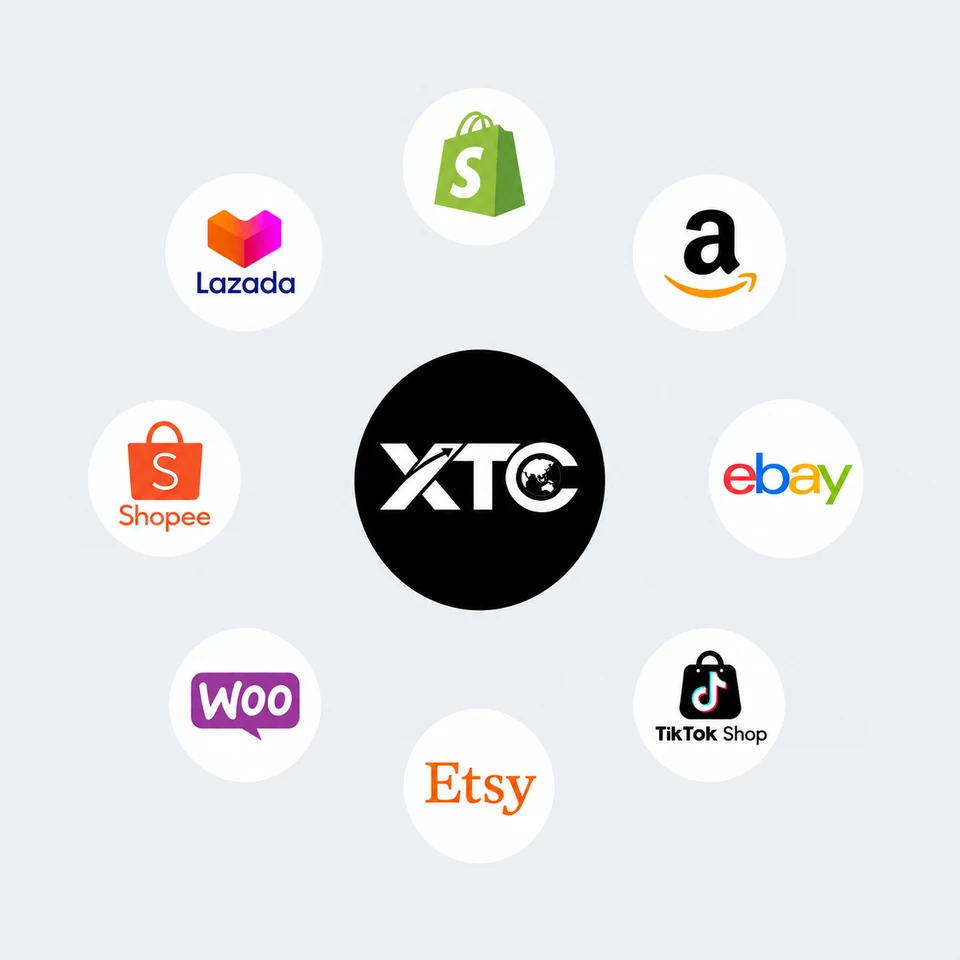
Several sales channels can be served from one stock pool when product identifiers and order records are kept consistent. The order-transfer method and inventory updates need to be agreed for the service. Automatic store integration depends on the systems involved. The agreed setup determines how orders reach the warehouse and how stock updates return to the store.
What makes up the cost of fulfilling an order?
Typical components include receiving, storage, picking, packing materials and delivery. An order with several products or special preparation usually involves different work from a single-item order. The destination, packed size, chargeable weight and service influence the shipping portion. Compare the full scope, including any additional handling or return charges.
How should I plan processing and delivery times?
Allow for stock receiving and preparation, order release, picking and packing, carrier collection, cross-border transport and final delivery. These stages are separate, so a carrier transit estimate is not the whole order timeline. Cut-off times, weekends, stock availability and destination processing can affect the total.
Why are SKU codes and inventory records important?
An SKU identifies a product variant, while an order specifies which variants and quantities the customer bought. Consistent identifiers reduce confusion between similar colors, sizes or models. Receiving records, stock movements and picked quantities should use the same identifiers so the warehouse and seller can reconcile available inventory.
Can orders include bundles, inserts or branded packaging?
These can be part of an agreed preparation service. A bundle needs a defined list of contents, while inserts and branded materials must be available when packing takes place. Extra materials or larger boxes can change handling work, parcel dimensions and transport cost, so preparation and shipping should be planned together.
Can batteries, liquids or other sensitive products be fulfilled?
The warehouse and delivery service must be suitable for the actual product. Ingredients, battery configuration, packaging and destination can affect acceptance. Such products need a separate route review before dispatch. Our guides explain standalone batteries and liquid shipments in more detail.
What happens to returns or undeliverable orders?
The available options depend on the carrier, destination and agreed returns process. They may include another delivery attempt, return to an agreed address, local handling or other authorized action. A cross-border return is a separate movement with its own cost and processing time; a local return address is not automatically included in fulfillment.
How does this service differ from Amazon FBA?
E-commerce fulfillment prepares individual customer orders from the seller’s inventory for the selected delivery network. With Amazon FBA, eligible inventory is sent into Amazon’s fulfillment network for Amazon to process customer orders. FBA preparation and inbound shipping are therefore a stock-replenishment stage, rather than the same workflow as direct parcel dispatch from China.