Skincare & cosmetics
Serums, lotions and cosmetic liquids use different formulations, closures and containers. Pumps and glass bottles need physical protection, while ingredients and destination product rules shape the shipping review.
Skincare, fragrance, food liquids and industrial formulations can look similar in a bottle while having very different shipping needs. The ingredients, container and packed quantity determine how each product is reviewed. XTC helps coordinate eligible liquid shipments from China with suitable preparation and an accepted route.

Serums, lotions and cosmetic liquids use different formulations, closures and containers. Pumps and glass bottles need physical protection, while ingredients and destination product rules shape the shipping review.

Fragrances and other alcohol-containing products may fall within dangerous-goods provisions because of their properties. The formulation, quantity and package configuration matter more than the retail name.
Detergents, cleaners and process liquids can differ in flammability, corrosivity and other hazards. Concentration and composition help establish the applicable classification and packaging requirements.
Edible oils, syrups and other food liquids need packaging that protects against leakage and contamination. Destination food rules, shelf life and any temperature needs are separate from transport classification.
Water-based and solvent-based products may have different transport characteristics. A material described simply as “ink” or “glue” still needs to be connected to its exact formulation and specifications.

Thicker products can still leak from damaged tubes, jars or seals. Viscosity does not establish that a formulation is unrestricted, and retail packaging may need additional protection for transport.
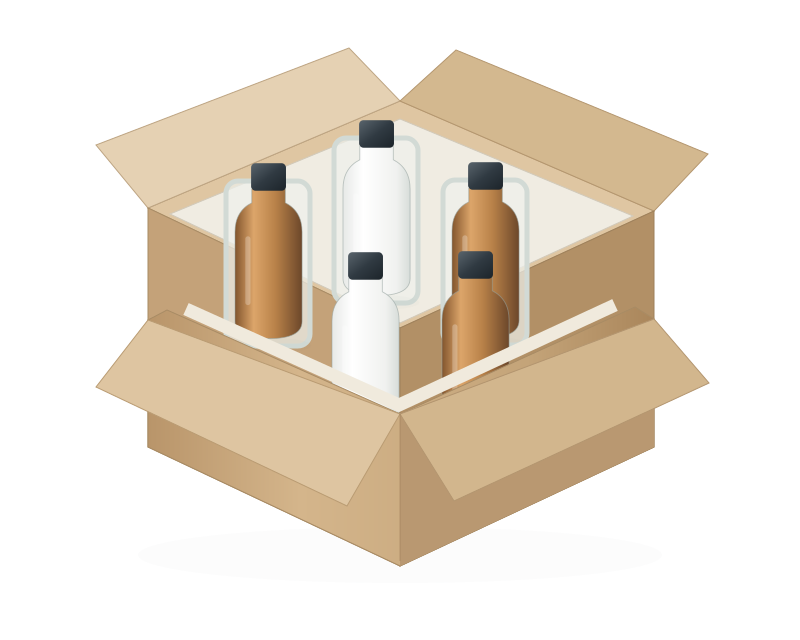
For non-dangerous liquids, containment, separation and outer protection work together. Dangerous goods must follow the packing provisions for their classification and transport mode.
Presentation packaging protects the appearance of a product. International transport adds repeated handling, stacking and changes in conditions, so the shipping package may need additional containment and cushioning.
Product identity, secure packaging and carrier acceptance connect the supplier’s stock to the final delivery.
The exact product, properties, container size and quantity establish the basis for the transport review.
Closures, separation and outer protection are arranged for the product and the accepted service.
The carrier reviews the shipment configuration and any required dangerous-goods documentation.
The shipment moves through origin handling, international transport, clearance and destination delivery.
A liquid accepted on one service is not automatically accepted on every airline, express network or sea route.
Can suit eligible small orders or samples. Carrier limits on the product, quantity, packing and destination determine availability.
Can suit eligible time-sensitive replenishment. Dangerous-goods classification and airline acceptance must match the actual formulation and package configuration.
Can suit planned larger volumes. Longer transit makes package strength, product stability and the expected storage environment especially relevant.
The quotation covers the finished packages and the agreed transport service, rather than only the litres of product.
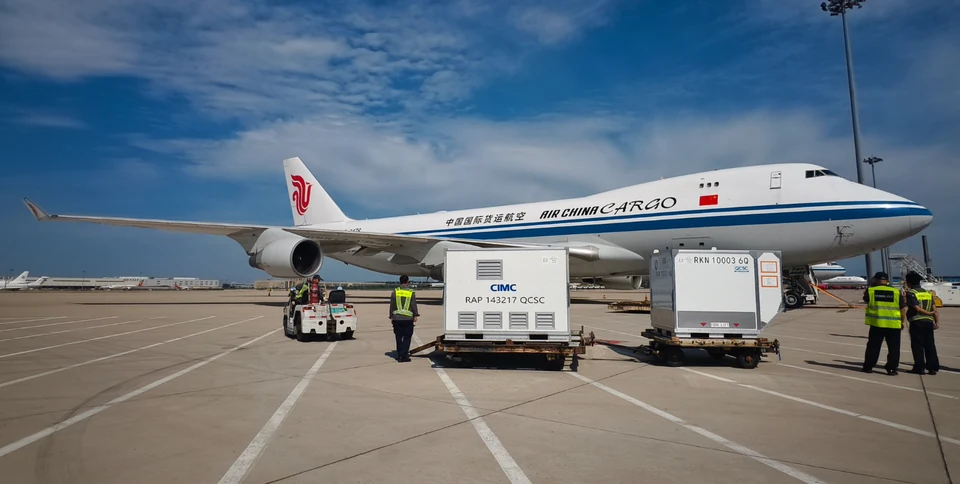
A suitable route starts with the formulation and the complete package. Transport acceptance and permission to import or sell the product are separate questions.
The word “liquid” identifies physical form, not a hazard class.
A retail description such as cosmetic, cleaner or sample is not enough to determine dangerous-goods status.
The primary container is the first line of containment.
A label or a sealed retail box cannot compensate for a weak closure or unsuitable container.
Safety and commercial records explain different parts of the shipment.
An SDS is useful evidence, but it is not a booking approval or a substitute for correct transport classification.
Transport eligibility does not automatically permit market entry.
A carrier’s acceptance of a package does not replace destination customs or product requirements.
The complete journey matters for product quality and package integrity.
An ordinary air, sea or express service does not automatically include temperature control.
Problems often arise when the physical shipment differs from its records or booking.
Early review can reduce avoidable rework, but customs clearance and delivery timing cannot be guaranteed.
Official guidance: FedEx: packing non-dangerous liquids · IATA: dangerous goods by air · OSHA: safety data sheets
Common questions about liquid classification, protective packaging, documents, transport and delivery costs.
Eligible liquid products can be shipped when the formulation, packaging, destination and chosen service meet the applicable requirements. Acceptance depends on the actual product and shipment configuration.
A bottle of skincare, a solvent and an edible oil may need different arrangements even when their containers look similar.
No. Liquid is a physical form, not a dangerous-goods category. Classification depends on the product’s properties and the criteria that apply to the selected transport mode.
Flammable, corrosive or otherwise hazardous formulations may need specialised packing, documentation and services.
Some can travel on an accepting service under the applicable dangerous-goods provisions. The actual formulation, quantity and packing arrangement determine the review.
A product sold as a cosmetic is not automatically exempt. Airline and express-service acceptance must be confirmed for the shipment.
No. A safety data sheet provides product and hazard information. Its transport information must be checked for applicability to the actual formulation and mode.
Classification, packing, documentation and carrier acceptance remain separate requirements. Further clarification or assessment may be needed.
Commercial invoices and packing lists identify the goods and their quantities. Depending on the product and route, an SDS, transport assessment, dangerous-goods declaration or destination product records may also be relevant.
There is no universal document bundle that applies to every liquid. Requirements depend on what is being shipped and where it is going.
Secure compatible containers and closures contain the liquid. Suitable secondary containment, cushioning, dividers and outer packaging help manage leakage and movement during handling.
These principles do not replace the specific packing instructions for dangerous goods. A fragile label is not a substitute for physical protection.
Sometimes, but compatibility, classification, quantities and carrier rules determine the arrangement. Combining orders does not mean every product can share one carton.
Each formulation must remain identifiable, with the required segregation and packaging maintained.
They may share similar transport and packaging steps, but their destination product requirements can differ. Food, cosmetic and chemical rules are separate from dangerous-goods classification.
Labelling, ingredients, shelf life and the intended market should be considered for the particular product and country.
Not by default. A standard freight or express service should not be assumed to maintain a particular temperature range.
Where product stability depends on temperature, the required range and an appropriate monitored service need to be agreed before booking.
The finished weight and dimensions, packaging materials, preparation work, classification, route and destination all affect the quote. Additional protection can change the chargeable size considerably.
Compare the same service scope and confirm whether clearance, duties or taxes, temperature services and final delivery are included.
LET'S PLAN YOUR SHIPMENT
Share the product name, ingredients, volume per container, quantity and destination. Tell us about the packaging and available product or safety documents. Our Shenzhen team will review the shipment and reply with the next steps.
Prefer a conversation? Chat on WhatsApp →