LCL: shared container space
Less-than-container-load shipping combines suitable consignments in one container. Consolidation and destination separation are part of the process.
For planned stock movements, sea freight offers options for shared container space or a full container. XTC helps bring the supplier handover, packing, sailing and destination arrangements into one shipment plan, with the costs and responsibilities agreed before booking.
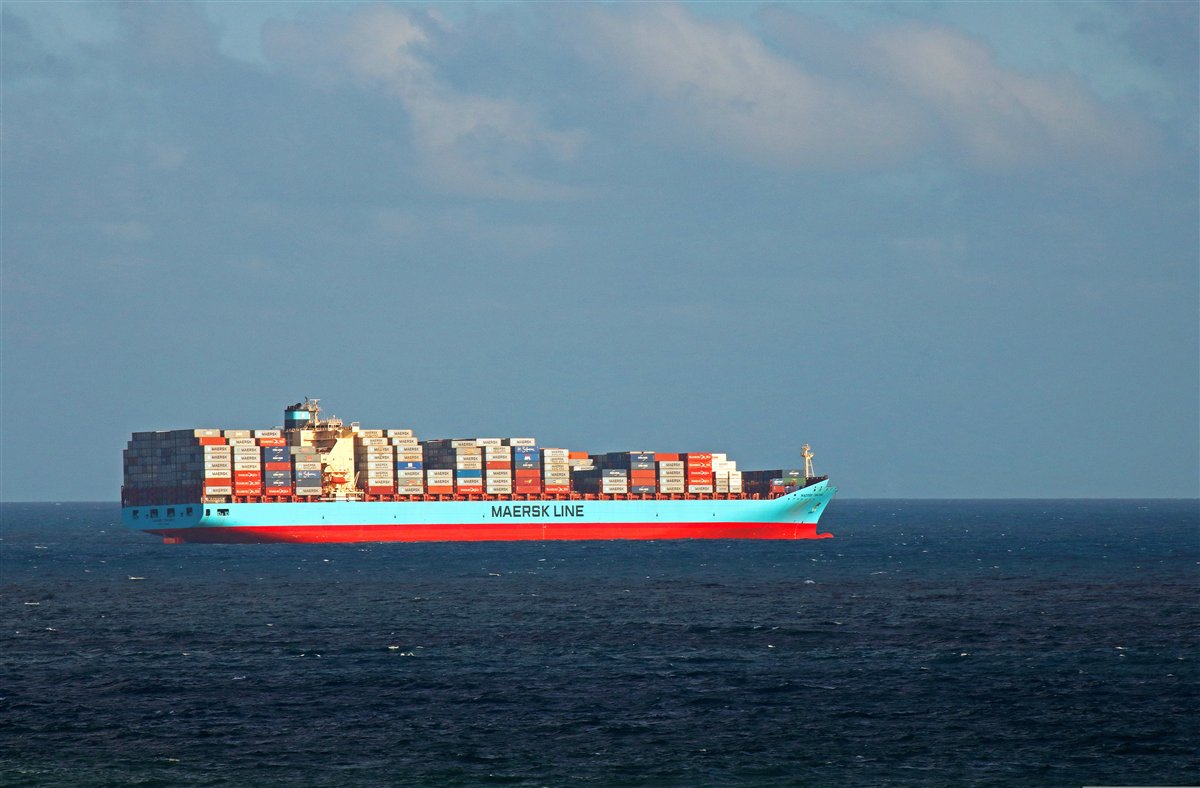
Volume is only one consideration. Ready dates, handling needs and destination charges also affect the decision.
Less-than-container-load shipping combines suitable consignments in one container. Consolidation and destination separation are part of the process.
Full-container-load shipping provides a container booking for your shipment. Goods still need suitable loading, restraint and protection.
Work backward from the required arrival date, including supplier readiness, cutoff dates, the ocean leg and destination delivery.
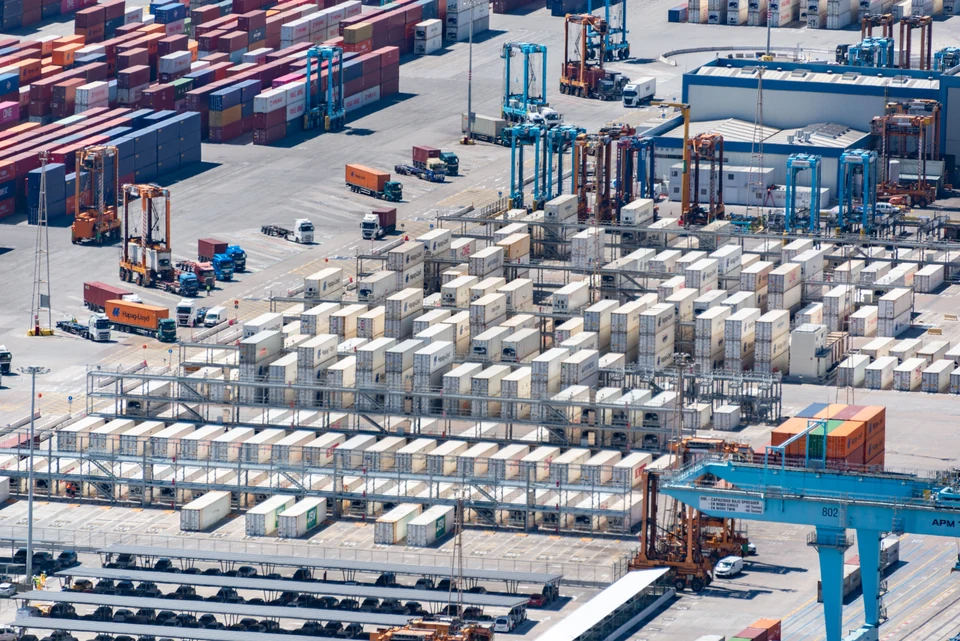
A sound sea-freight plan connects supplier readiness with port operations and the way the recipient will receive the goods.
An ocean freight rate may exclude terminal handling, clearance, storage or local delivery. Confirm the complete scope before deciding.
Compare how the shipment is handled, not just how much container space it occupies.
Swipe across to compare LCL and FCL.
| Factor | LCL | FCL |
|---|---|---|
| Space | Shares container capacity with other consignments. | Uses a full container booking for the shipment. |
| Preparation | Cargo is prepared for consolidation and individual handling. | Cargo is prepared for loading and securing within the container. |
| Origin and arrival | Consolidation and separation add handling stages. | Container availability, pickup and return arrangements matter. |
| Price basis | Usually considers weight or measurement, plus applicable local charges. | Typically includes a container-based ocean rate plus agreed origin and destination charges. |
| Decision | Often considered for smaller planned volumes. | Often considered for larger volumes or a dedicated container arrangement. |
Each stage connects the physical shipment with its records and agreed service.
Review goods, volume, weight, ready dates and the LCL or FCL arrangement.
Arrange collection, packing, export records and consolidation or container loading.
Track the booked movement while destination records and receiving arrangements are prepared.
Complete arrival handling, release and customs steps, followed by the agreed local delivery.
Keep the ocean leg, local charges and destination responsibilities visible in the quotation.
Discuss your shipment →Bring the details together so the product, route and preparation can be reviewed as one shipment.
Common questions about planning, preparation, costs and delivery.
LCL combines suitable shipments into shared container space. FCL uses a full container booking for the shipment. Each has different preparation, handling and local-charge considerations.
A full-container booking does not require every available space to be filled. Whether it is the better option depends on the cargo, handling needs and complete quotation.
The timeline depends on ports, routing, sailing schedules, consolidation where used, customs and destination delivery. Allow for stages before and after the ocean voyage, and confirm the estimate for the actual booking.
LCL commonly uses a weight-or-measurement basis with applicable minimums and local charges. Confirm the tariff and the complete origin and destination scope rather than comparing only a per-CBM figure.
Suitable orders can be consolidated when their goods and ready dates fit the plan. Receiving, storage, checking, repacking and documentation may add cost and time before loading.
They have different functions and release arrangements. Confirm which transport document will be used and how the consignee can obtain release; do not assume the same process applies to every shipment.
Only if the agreed scope explicitly provides for them. Confirm the commercial terms, importer responsibilities and who pays duties, taxes and destination charges.
Some can be accepted under the applicable classification, packing, documentation and shipping-line requirements. A sea route does not remove dangerous-goods obligations or guarantee acceptance.
Unplanned storage, delayed clearance, late equipment return or extra delivery work may generate charges under the applicable terms. Prepare documents, collection and receiving arrangements before the cargo arrives.
Share the goods, package count, weight and volume, supplier location, cargo-ready date and destination port or address. Mention the desired LCL or FCL option and any loading, battery or other special requirements.
Share the goods, pickup location, destination and packed measurements. Our Shenzhen team will review your sea Freight request and help clarify the available option and quotation.
Prefer a conversation? Chat on WhatsApp →